
COMPLETE EQUINE MANAGEMENT AT YOUR FINGER TIPS
Discover the power of equine adaptation and harness its potential in domestication. Natural Horse Care offers a complete system rooted in equine biology.
Complete Equine Management Solution at Your Fingertips
Discover the power of equine adaptation and harness its potential in domestication. Natural Horse Care offers a complete system rooted in equine biology.
Appointments
Training
Consultations
Hoof Care Appointments
Holistic Hoof Care that Works
Learn about the best practices for life long soundness and stress free hoof care appointments.
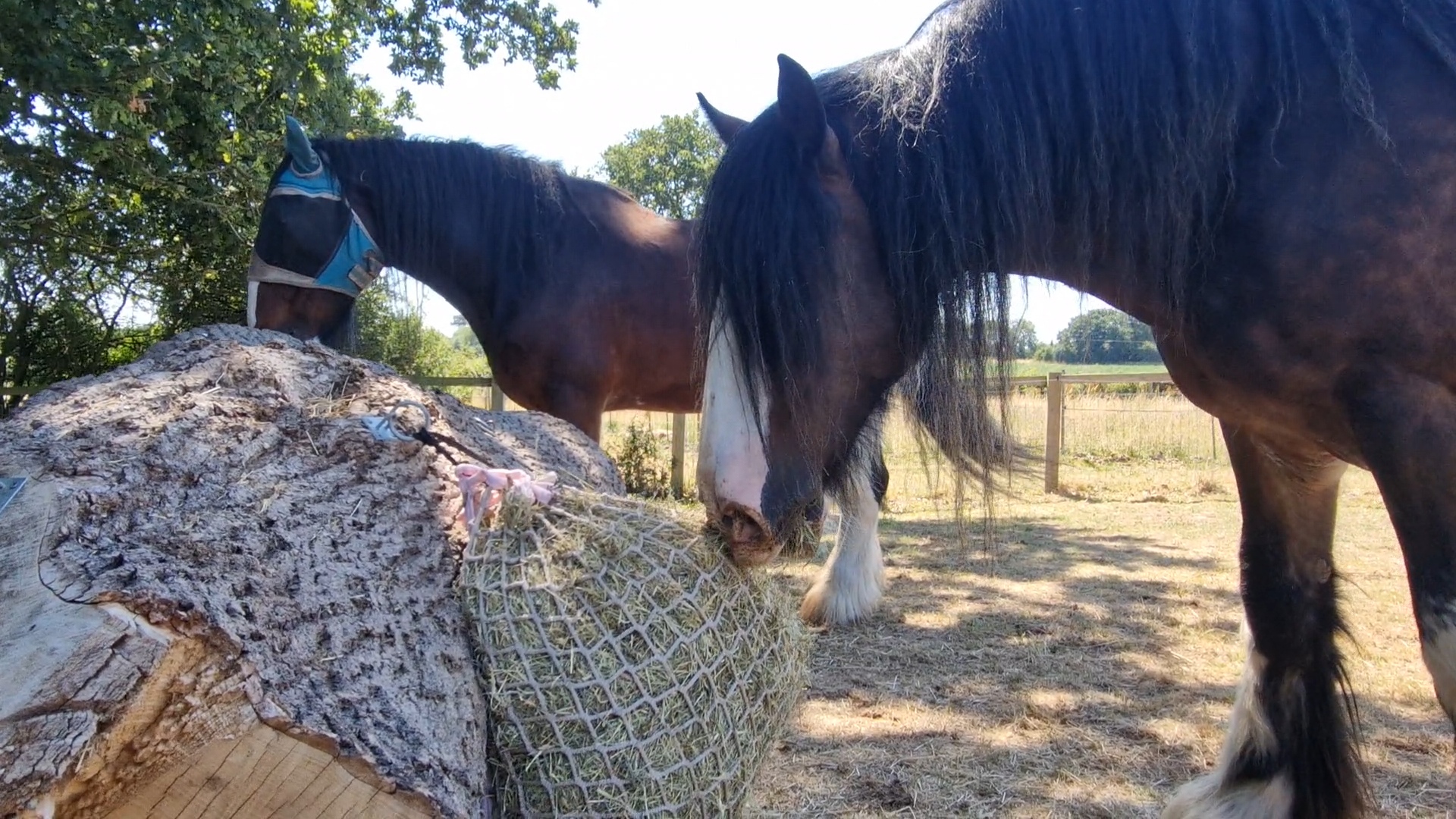
Achieve Hoof Health Through Diet
Tap into 1.4 million years of adaptation with reasonably natural diet and grow sound hooves.
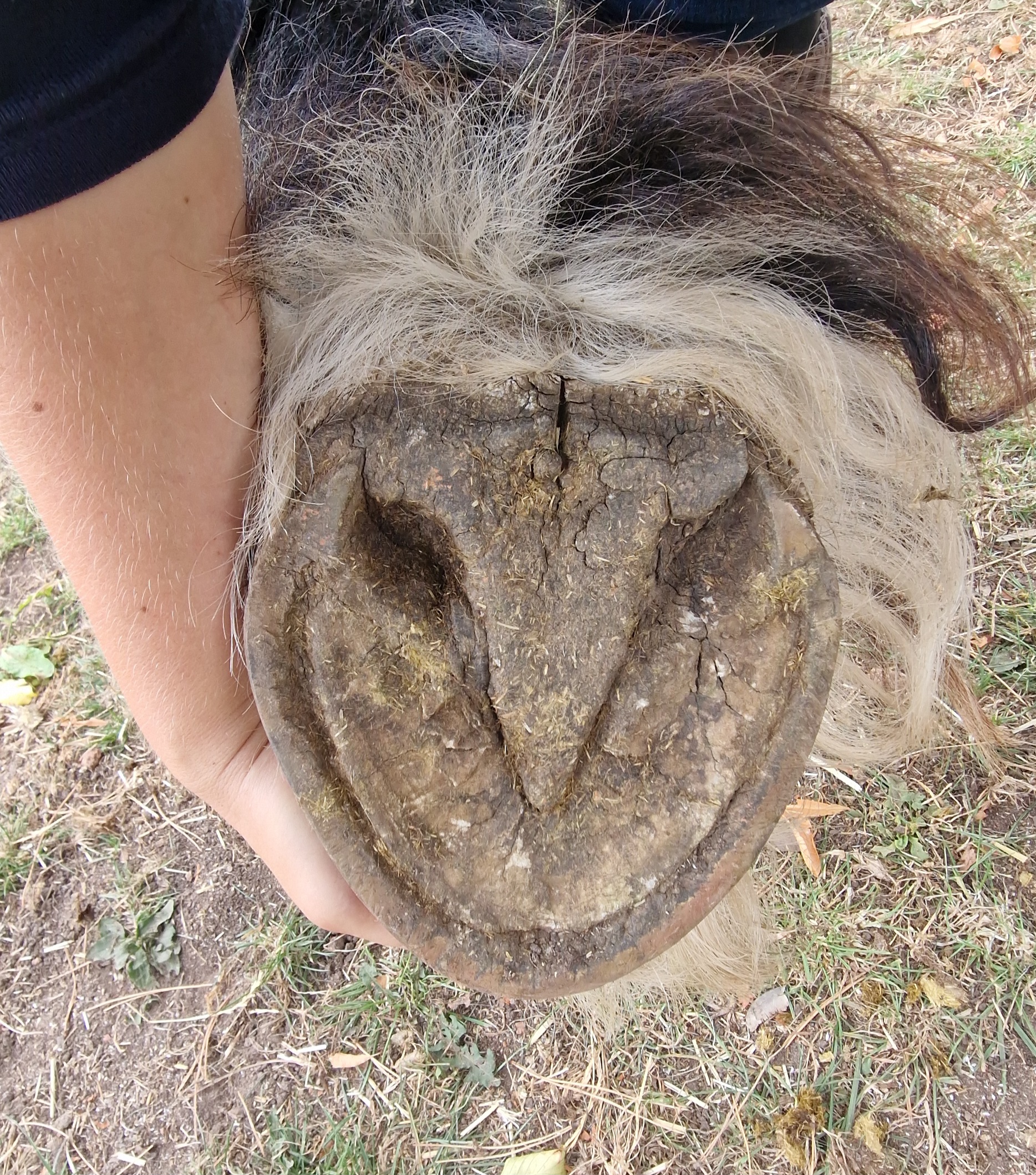
Reshape Hooves Non-Invasively
Restore function without compromising integrity of the hoof capsule.
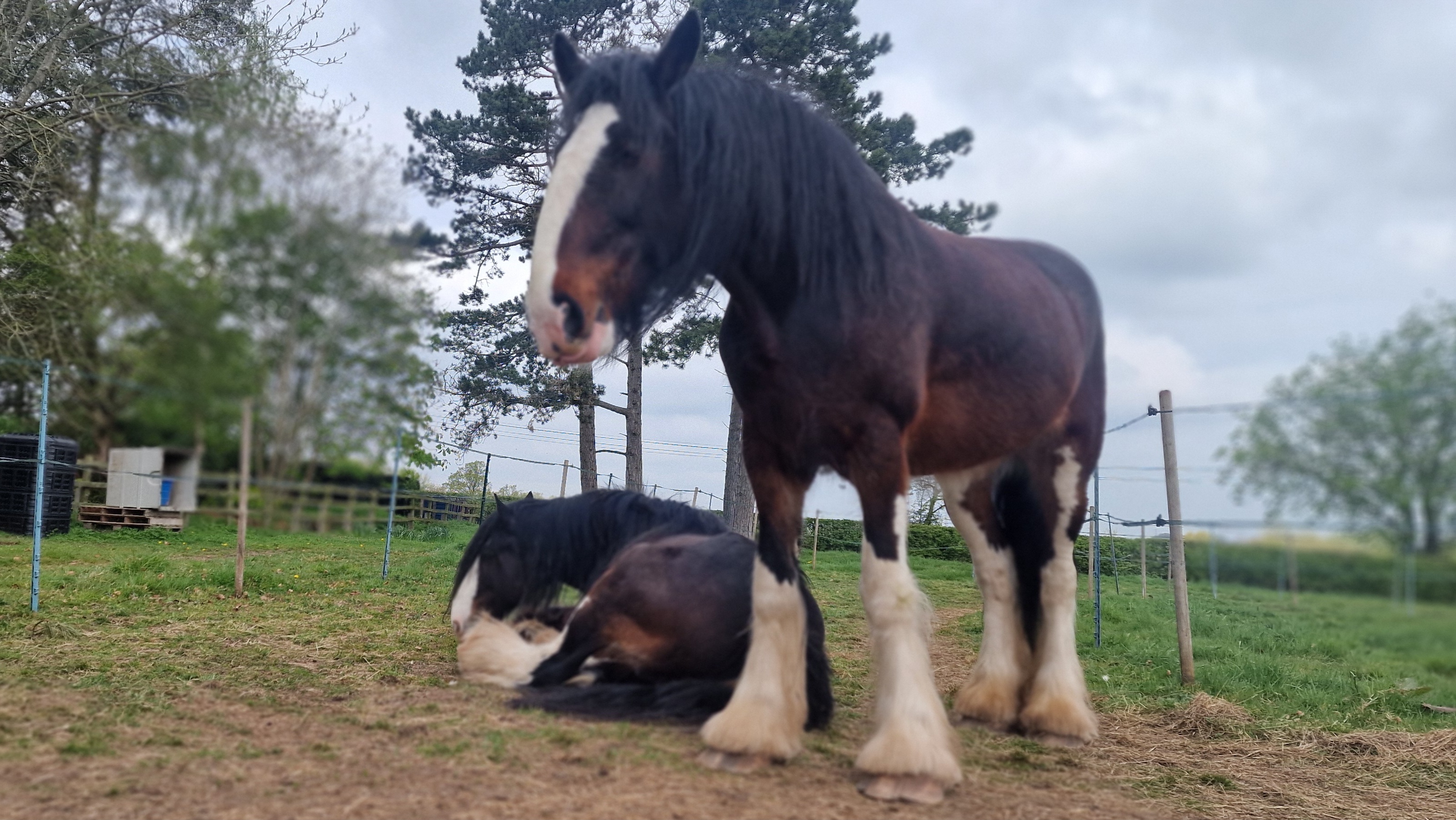
Invest in Trimming Through Trust
Feel the weight lift off your shoulders with innovative approach to hoof handling rehabilitation using R+, RD, and emotional intelligence.
Friends. Forage. Freedom.
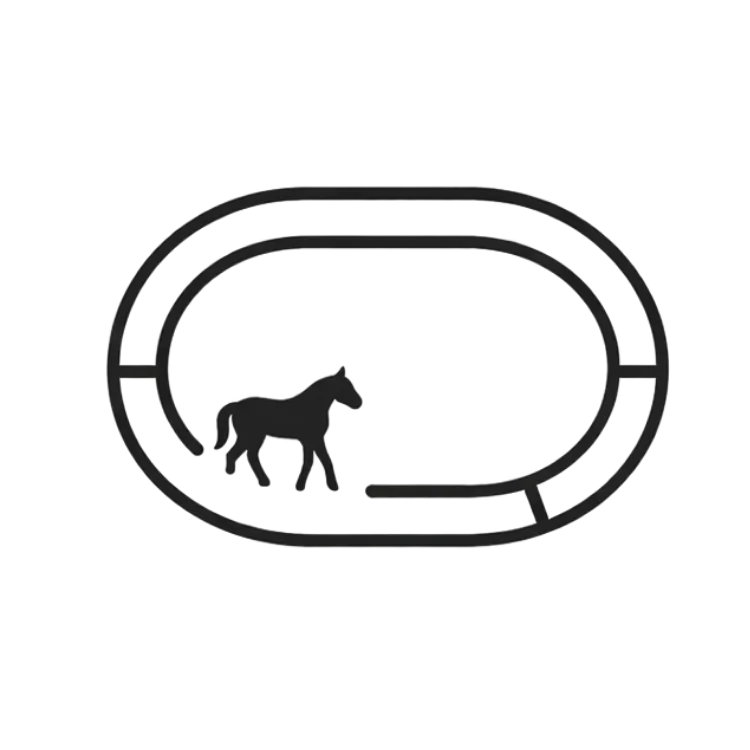
Turn your Paddock Into Paradise.
Paddock Paradise tracking system is designed to mimic natural habitat and lifestyle of the equine species. Adaptive environment is conducive to good health and healing.
Wellbeing beyond welfare
Gift your horse with an opportunity to thrive physically and mentally.
The best insurance policy
Long term benefits of natural lifestyle will not only benefit the horse, but help you save on expensive treatments.
10th
Experience

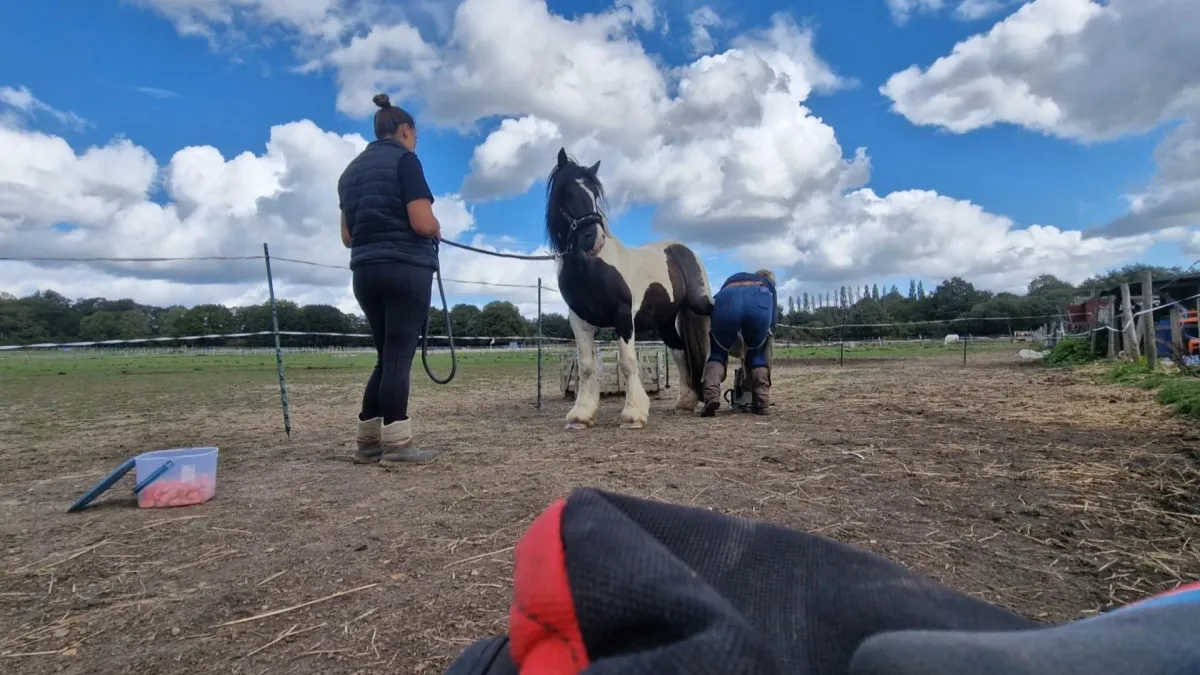
“A few months ago, I reached out to Edyta for help with two of my horses, both of whom required sedation for routine hoof trimming. This had been going on for quite some time, and it was starting to take a toll. I was desperate to find a better way. I didn’t just want a short-term fix; I wanted to truly help my horses and learn how to support them long-term, without relying on sedation.
Each horse came with their own challenges. One was a severely traumatised pony, absolutely petrified of farriers and trimming tools. While he was comfortable with us picking his feet up, as soon as a professional stepped in, the fear kicked in — and it became dangerous for everyone involved. The other was an ex-broodmare with an unknown past, who had never been properly taught how to lift her feet calmly. She would yank them away with force, and handling her hind legs was nearly impossible. These weren’t just behavioural issues — they were fear responses, and I knew continuing with sedation wasn't the answer.
Then along came Edyta.
From the very first conversation, I felt a sense of hope. She was calm, confident, and deeply compassionate. Edyta takes her time to understand each horse. Her approach combines positive reinforcement with calm, consistent boundaries. She works with the horse, not against them. There’s no rushing, no force — just patience, clarity, and respect. And it works. Both of my horses are making visible, meaningful progress — not just in their ability to stand for trimming, but in their overall confidence and trust.
What sets Edyta apart is that she doesn’t just “fix” the horse — she empowers the owner. She takes the time to explain what she’s doing and why, teaching you how to safely and kindly handle difficult behaviours. I’ve learned so much from her already, and every visit brings new insights that I can apply in my day-to-day routine.
After just four visits, we’ve cut our trimming time in half — something I never thought possible. More importantly, the experience is no longer traumatic for the horses. They’re learning that hoof care doesn’t have to be scary or painful. And because of that, our regular hoof handling between visits has become calmer and more manageable too.
We still have a way to go, but I am confident we will get there much quicker than I originally anticipated. All done with trust, compassion, and understanding — not fear and sedation.
If you're struggling with hoof care, behavioural issues, or fear-based responses in your horses — don’t hesitate. Edyta has been a game-changer for us, and I honestly cannot recommend her enough.”
Trudy B.
Client
Testimonials
What Clients Say
"Carina enjoyed her trim and is moving better today. Her ringbone leads to uneven movement and hoof wear. Edyta gained Carina's cooperation and trust, they worked well together."
"Each session deepens my connection to mind and body. It’s more than just boarding system—it’s a body building transformation that."
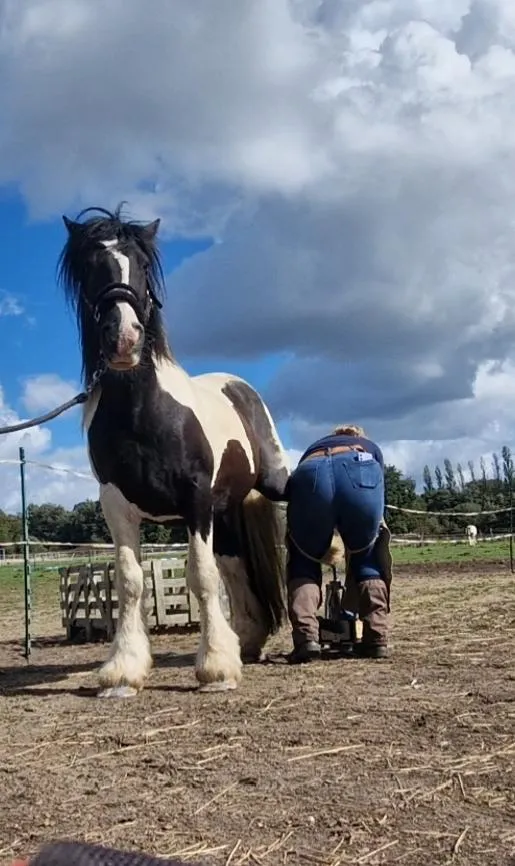
“A few months ago, I reached out to Edyta for help with two of my horses, both of whom required sedation for routine hoof trimming. This had been going on for quite some time, and it was starting to take a toll. I was desperate to find a better way. I didn’t just want a short-term fix; I wanted to truly help my horses and learn how to support them long-term, without relying on sedation.
Each horse came with their own challenges. One was a severely traumatised pony, absolutely petrified of farriers and trimming tools. While he was comfortable with us picking his feet up, as soon as a professional stepped in, the fear kicked in — and it became dangerous for everyone involved. The other was an ex-broodmare with an unknown past, who had never been properly taught how to lift her feet calmly. She would yank them away with force, and handling her hind legs was nearly impossible. These weren’t just behavioural issues — they were fear responses, and I knew continuing with sedation wasn't the answer.
Then along came Edyta.
From the very first conversation, I felt a sense of hope. She was calm, confident, and deeply compassionate. Edyta takes her time to understand each horse. Her approach combines positive reinforcement with calm, consistent boundaries. She works with the horse, not against them. There’s no rushing, no force — just patience, clarity, and respect. And it works. Both of my horses are making visible, meaningful progress — not just in their ability to stand for trimming, but in their overall confidence and trust.
What sets Edyta apart is that she doesn’t just “fix” the horse — she empowers the owner. She takes the time to explain what she’s doing and why, teaching you how to safely and kindly handle difficult behaviours. I’ve learned so much from her already, and every visit brings new insights that I can apply in my day-to-day routine.
After just four visits, we’ve cut our trimming time in half — something I never thought possible. More importantly, the experience is no longer traumatic for the horses. They’re learning that hoof care doesn’t have to be scary or painful. And because of that, our regular hoof handling between visits has become calmer and more manageable too.
We still have a way to go, but I am confident we will get there much quicker than I originally anticipated. All done with trust, compassion, and understanding — not fear and sedation.
If you're struggling with hoof care, behavioural issues, or fear-based responses in your horses — don’t hesitate. Edyta has been a game-changer for us, and I honestly cannot recommend her enough.”
Trudy B.
Client
Institute for the Study of Natural Hoof Care Practices
The Natural Trim Method
The Natural Trim Method is rooted in research and observation of the wild horses of the U.S. Great Basin. It is grounded in principles that do not change with trends, tools, or opinion. Its proven approach to hoof care consistently produces sound, healthy hooves when applied correctly. While many imitations have appeared over the decades, the original method continues to stand apart because it is built on evidence found in nature, experience, and repeatable results. ISNHCP training programme exists to pass these principles on with clarity, integrity, and practical skill so that practitioners can create real, lasting change for horses and the people who care for them.
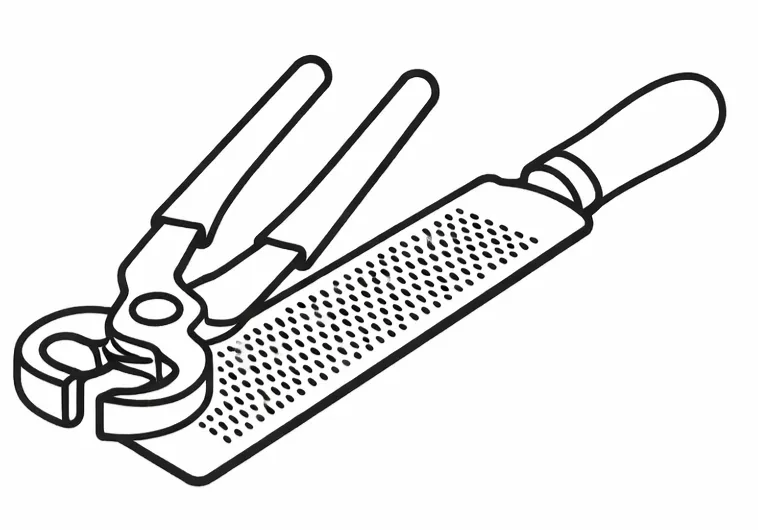
Trim With Precision
Learn to create naturally balanced hooves through precise, intentional trimming guided by the characteristics of the healthy, naturally shaped hoof and the Four Guiding Principles of the Natural Trim. Develop the skill and judgment needed to recognise balance, remove distortion, and trim with confidence and consistency.

Map Natural Wear Patterns
Learn to read the relationship between the hoof, the ground, posture, and movement by mapping natural wear patterns. This skill allows you to understand how a horse loads its body, where imbalance develops, and how trimming supports sound, efficient movement. Guide your clients toward healthier posture and self carriage, as nature always intended for the horse.
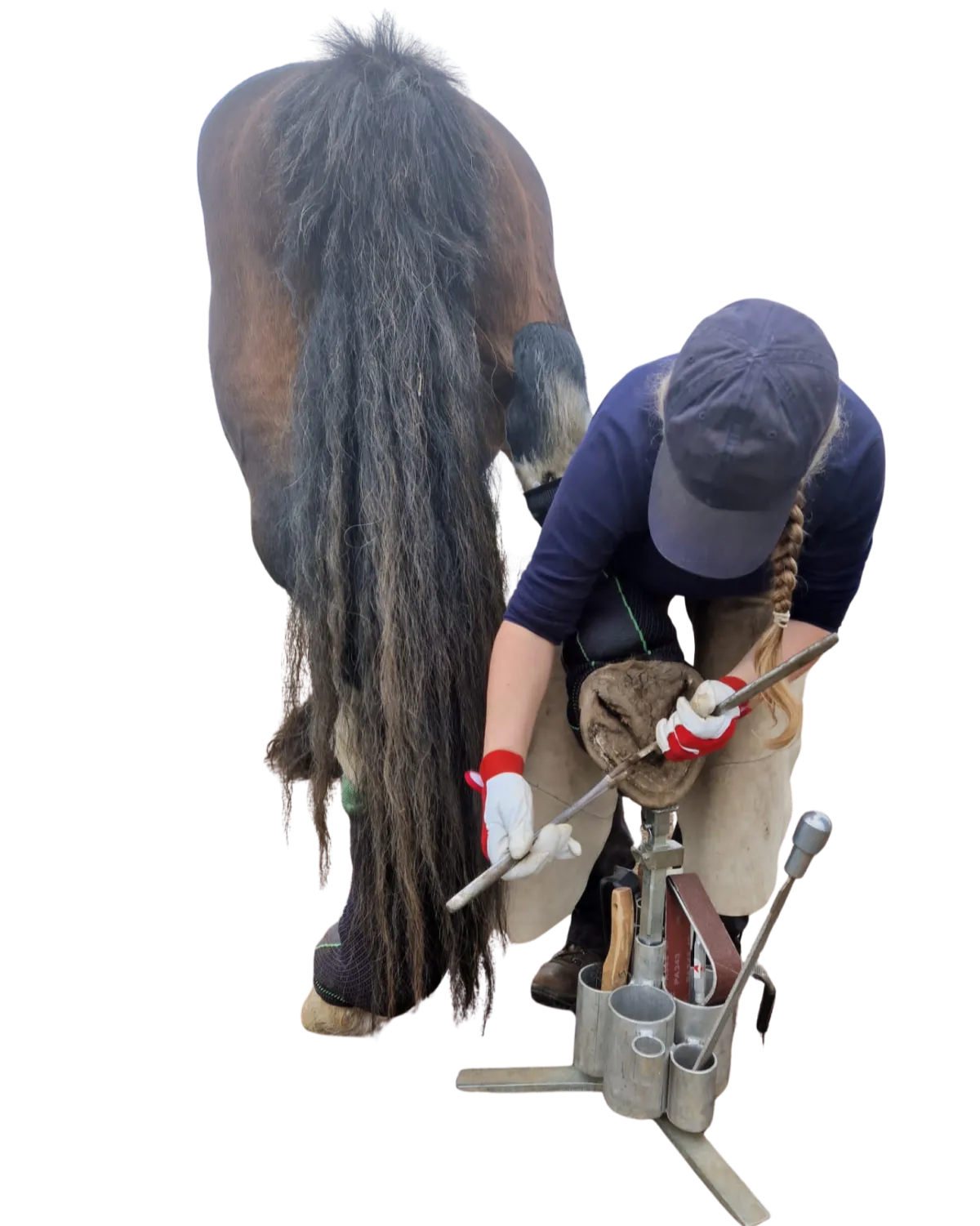
Map Natural Wear Patterns
Learn to read the relationship between the hoof, the ground, posture, and movement by mapping natural wear patterns. This skill allows you to understand how a horse loads its body, where imbalance develops, and how trimming supports sound, efficient movement. Guide your clients toward healthier posture and self carriage, as nature always intended for the horse.
Grounded in Nature
The Natural Trim Method was developed through observation of healthy wild horses living in the U.S. Great Basin, where environment, movement, and diet naturally support hoof integrity. This research revealed how habitat and lifestyle shape the hoof from the inside out. In modern domestic environments, where these conditions rarely exist, the Natural Trim provides a framework for protecting hoof capsule integrity while addressing the realities of management, diet, and movement. It recognises that trimming alone cannot restore a compromised hoof without supporting the whole horse.

Mindful Breathing
Practice focused breathing techniques to relieve stress, center your thoughts, and deepen your awareness.
Trusted Partners
Become a trusted partner in the horse’s eye by developing calm, confident hoof handling skills that support both physical and emotional safety. Learn how to work with horses that struggle with trimming, replacing resistance and avoidance with understanding and cooperation.
This approach goes beyond managing behaviour to deeply connecting with horses through the principles of natural law. As a Practitioner, gain the ability to trim in a way that protects the horse’s well-being while eliminating once impossible to overcome handling issues.
Grounded in Nature
The Natural Trim Method was developed through observation of healthy wild horses living in the U.S. Great Basin, where environment, movement, and diet naturally support hoof integrity. This research revealed how habitat and lifestyle shape the hoof from the inside out. In modern domestic environments, where these conditions rarely exist, the Natural Trim provides a framework for protecting hoof capsule integrity while addressing the realities of management, diet, and movement. It recognises that trimming alone cannot restore a compromised hoof without supporting the whole horse.
Principles of Horsemanship
Elevate Your Game
Tap into an infinite potential that learning principles of horsemanship can offer. You can deepen your understanding of horses and translate abstract concepts into every discipline with our online and in person consultation system.
The Power of Restpect in Horsemanship
Respect in horsemanship is not about control or dominance, but about creating emotional safety, clarity, and fairness. When a horse feels understood and treated consistently, tension decreases and cooperation becomes possible. Respect grows through attentive observation, thoughtful timing, and recognising the horse’s physical and emotional limits. By listening to what the horse communicates, the human creates conditions where learning can happen without fear. This foundation of safety makes handling more reliable and prepares the horse for positive experiences during training and hoof care.
Communication and Trust in Horsemanship
Trust develops through respectful, consistent communication. When handling is predictable, fair, and emotionally safe, the horse begins to rely on the human instead of defending itself. Communication becomes quieter and clearer as the horse learns that human signals are understandable and do not lead to discomfort or confusion. Repetition, timing, and reliability allow cooperation to replace resistance over time. In hoof handling and rehabilitation work, trust enables the horse to stand calmly and participate, creating a partnership where both horse and human feel safe and understood.
Importance of Authenticity in Horsemanship
Horses respond to authenticity because they are highly sensitive to emotional consistency and intention. When a human’s actions, body language, and internal state align, communication becomes clearer and more reassuring to the horse. Inauthentic or conflicted signals can create uncertainty, even when methods are applied correctly. Authenticity allows the horse to feel secure in the interaction and reduces the need for defensive behaviour. By developing self awareness and calm intention, equestrians create interactions that horses can trust and understand.
Building Patience in Horsemanship
Patience allows communication, trust, and authenticity to develop without pressure. In a world that encourages efficiency, we often bring urgency into interactions with horses without realising it. Rushing can create tension, confusion, and emotional discomfort for the horse, even when intentions are good. Horses respond best when given time to process, understand, and participate willingly on their terms. By slowing down and working at the horse’s pace, we create calmer experiences and more reliable handling. Patience protects the relationship and supports long term progress in training and hoof care.
The Role of Assertiveness in Horsemanship
Respect without assertiveness becomes avoidance. Trust without boundaries becomes uncertainty. Patience without direction becomes passivity. Horses always look for clarity and direction, and they feel more secure when communication is calm, confident, and consistent. Assertiveness is not aggression, but the ability to set fair boundaries and communicate expectations with confidence. When direction is missing, horses may become unsure, pushy, or anxious, and frustration can build for both horse and owner. Balanced assertiveness brings clarity to communication and helps create a partnership built on safety, consistency, and mutual understanding.
Horsemanship Practice for Humility
Humility in horsemanship means letting go of expectation and allowing the horse to respond without pressure. When humility is absent, expectation can grow in both the human and the horse, creating tension during interaction. Humans may expect immediate compliance, while horses can develop anticipatory behaviours around food, handling, or discomfort. These expectations often lead to frustration, resistance, or defensive responses. Humility allows us to observe what the horse is ready to offer in the moment and adjust accordingly. By releasing expectation and working with patience and awareness, communication becomes clearer and cooperation can develop naturally.
Tomorrow belongs to those who can see it.
Stay updated with the latest insights, tips, and yoga practices delivered to your inbox. Don’t miss out on expert content designed to enhance your well-being.
Newsletter
Meet Our Team
And Our Journey
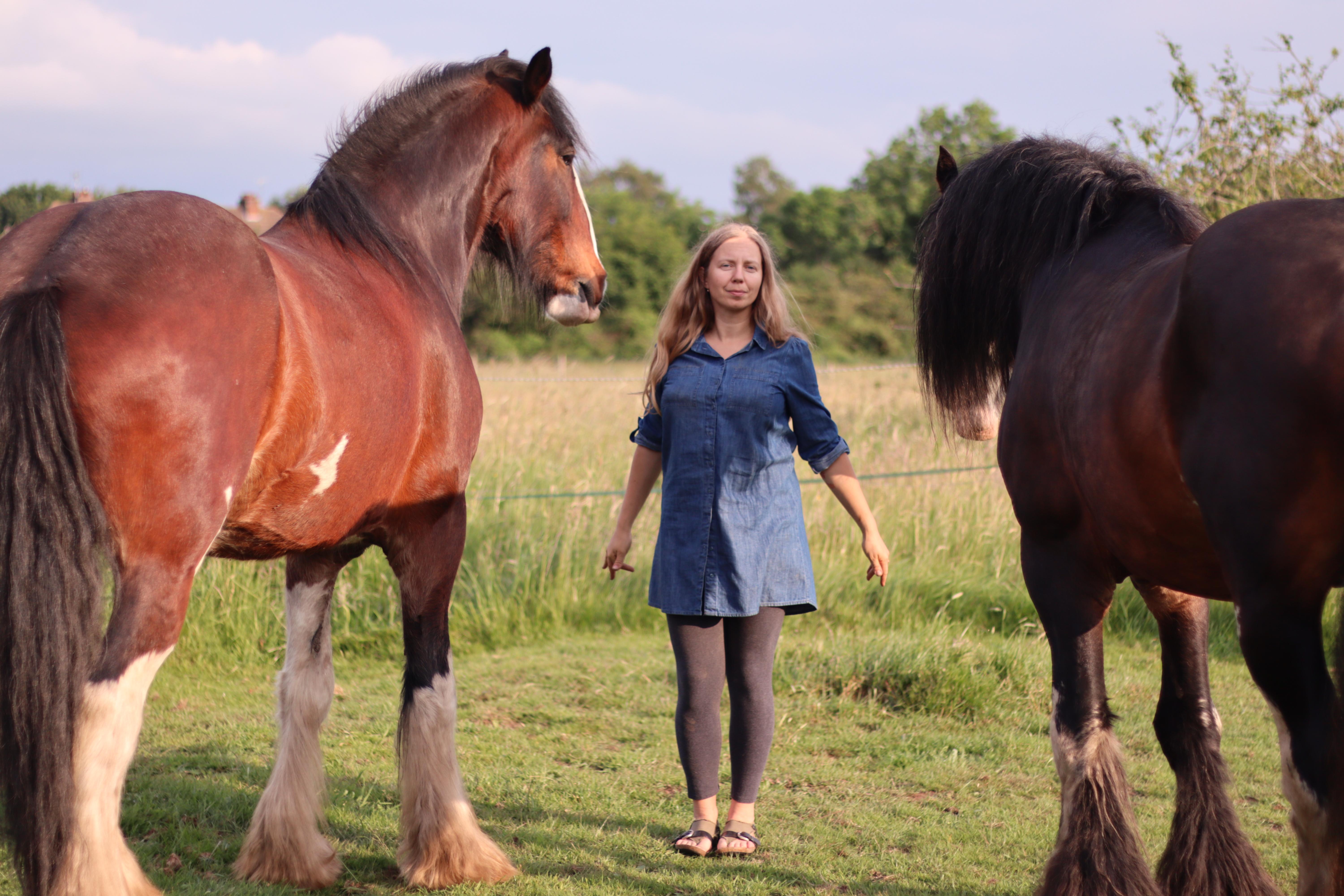
My name is Edyta Jackson, and my journey into natural horse care didn’t begin in a classroom… it began with two horses who needed help.
They came with challenges—physical, emotional, and everything in between—and I quickly realised that conventional approaches weren’t giving me the answers I was looking for.
So I started searching.
I immersed myself in the world of natural horse care, rehabilitation, and authentic horsemanship. I trained with the Institute for the Study of Natural Horse Care Practices (ISNHCP), and am privileged to be mentored by Jaime Jackson. My work is deeply influenced by the work of Klaus Ferdinand Hempfling amongst others.
But more importantly… I spent years in the field, working with real horses, real problems, and people.
And here’s the one thing that became undeniable through all of it…
"You cannot separate the hoof from the horse. And you cannot separate the horse from their environment, diet, and emotional state."
True soundness is never accomplished mechanically. It’s created through understanding.
Once you begin to read the hoof as a reflection of the whole horse, everything changes.
Decisions become clearer. Progress becomes sustainable. And with patience, the horse begins to meet you halfway.
And THAT is what led me to create Equiliberta.
Not just as a hoof care service but as a space where owners can learn to see differently, think differently, and ultimately do better for their horses.
But I understand that…
You’re here because you want to know —can this actually help you and your horse?
And that’s a fair question.
Permanent solutions are not an overnight fix.
Not achieved through shortcuts. But through a structured, consistent, and respectful process.
Significant improvement is possible in only FIVE appointments.
Whether it’s hoof quality, soundness, hoof handling, or designing an environment that supports long-term health there is always a way forward.
If you’re willing to look a little deeper.
I continue to work closely with owners through hands-on appointments, rehabilitation cases, and educational programs designed to give you clarity and confidence in your decisions.
And if our paths cross, I look forward to meeting you and your horse properly.

Donna Paulsen
Wellness Instructor

Jessica Pearson
Breathwork Specialist

Rachel Zane
Mindfulness Coach
Our Partners
In Collaboration With
We proudly partner with top wellness organizations and yoga professionals to bring you the best practices and resources to support your health journey.






Reasonably Natural Diet
Soundness Begins
in the Gut
Join us to experience expert-guided horse care solutions designed to enhance your physical health, mental clarity, and overall well-being.
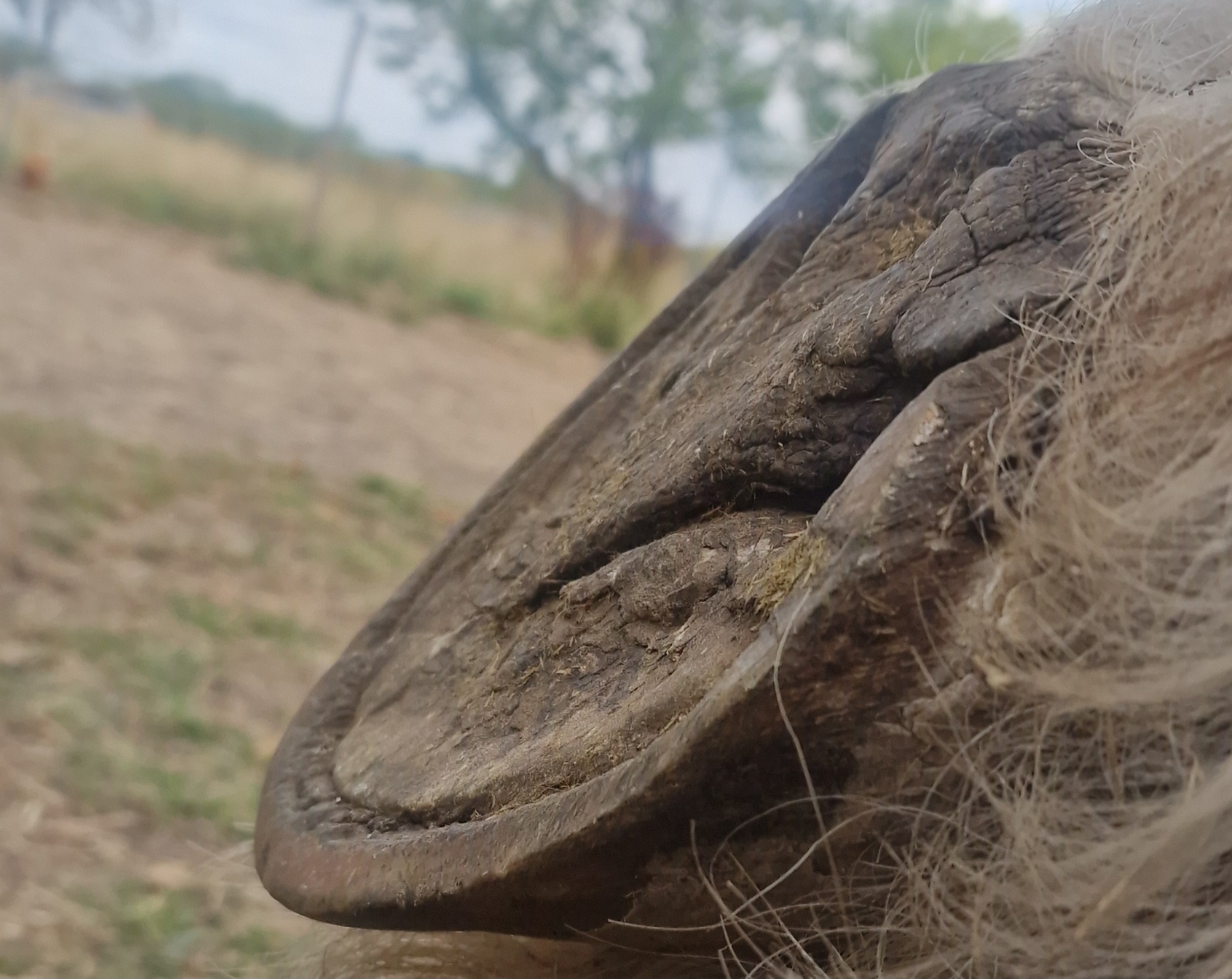
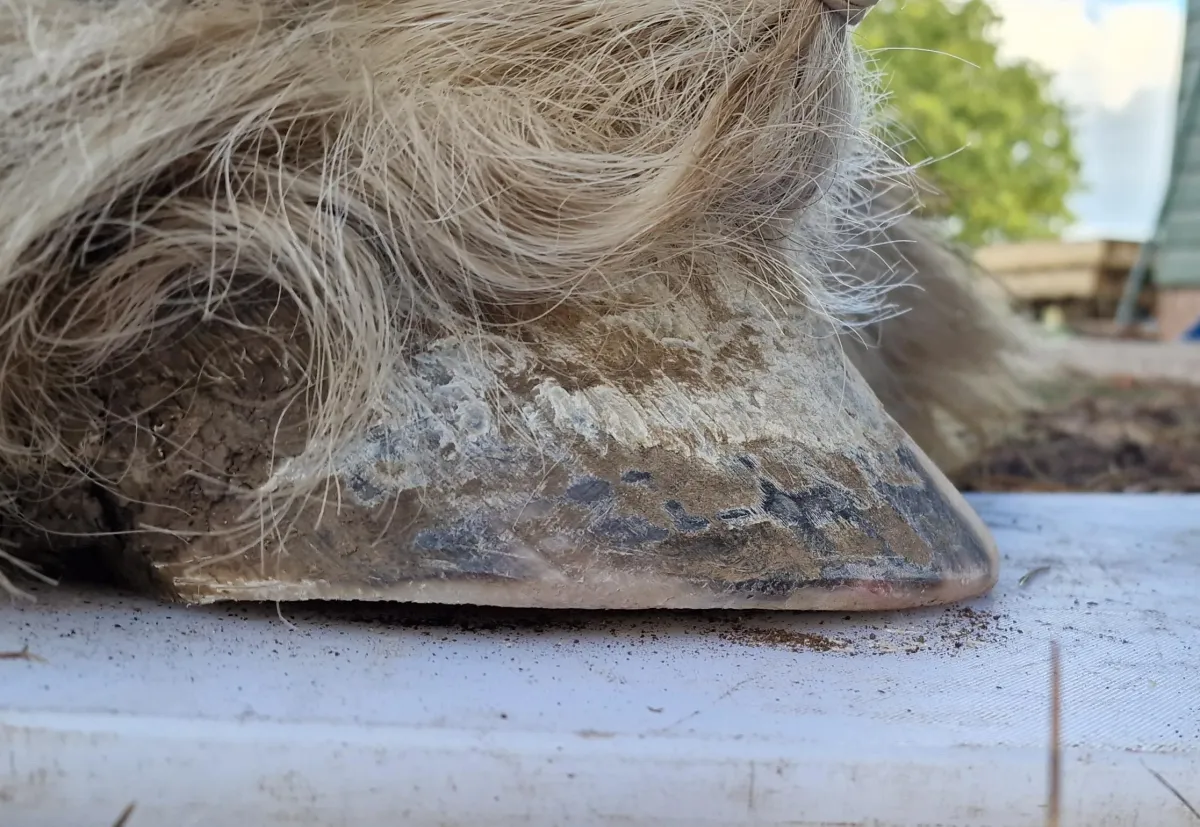
Laminitis Prevention
The enemy is often invisible — low grade, chronic inflammation developing quietly over time and influencing the health of the hoof long before laminitis becomes visible. Prevention through diet is key to lifetime of soundness.

Our Dietary Guidelines
These guidelines were inspired by Jaime Jackson's Reasonably Natural Diet and created through years of trial and error to suit the needs of horses living in domestication.
Our Partners
Flexible pricing for yoga
Explore flexible pricing options that fit your schedule and wellness goals. Whether in-person or online, we offer programs to support your yoga journey.
$210
/months(s)
In-Person and Online
Flexible Class Schedules
Stress Relief Yoga Programs
Weekly Group Yoga Practice
$510
/months(s)
All Basic Plan Features
One-on-One Private
Personalized Yoga Practice
Access to Special
$810
/months(s)
All Premium Plan Features
Unlimited Access to Group
Monthly Wellness
Priority Scheduling
FAQs
Commonly Asked Questions
What is Natural Horse Care?
Natural Horse Care is a complete horse management system concerned not only with horse welfare, but more broadly, with equine well-being based on the research and observation of horses living wild and free in the U.S. Great Basin. These findings were documented in the book The Natural Horse: Lessons from the Wild, which laid the foundation for the wild horse model.
What makes the Natural Trim better than other methods?
We hold foundational belief that we ought to honour the hoof’s natural structures—even when pathology is present. The focus isn’t on making the hoof look pretty, but on supporting the internal systems so the hoof can continue to function correctly. Natural hoof balance, angle of growth, and horn quality all improve when we trim in harmony with the principles of NHC, not what we wish it looked like. The hoof actually adapts and reshapes over time—something that’s clearly visible when this method is applied consistently in conjunction with species appropriate diet.
Why do you leave so much toe wall?
Toe area naturally grows more callous because of the concentration of the weight bearing forces that form active and passive wear across the perimeter of the hoof wall. Unfortunately domesticated hooves often lose integrity due to unnatural diet.
Can my horse stay sound barefoot?
Feeling stuck is natural. Consider exploring different types of classes, consulting with a yoga instructor, or incorporating mindfulness practices to deepen your experience.
Are you against pasture turnout?
I believe grass can act as a silent killer, especially in horses with already compromised digestive systems. It has the power to destabilise the bacterial ecosystem of the hindgut and trigger low-grade inflammation that contributes to many chronic health problems.
Inflammation does not appear overnight. It can slowly degrade tissues and organs for years before visible symptoms emerge. Research into the human gut increasingly shows the long-term impact of microbial imbalance and chronic inflammation, while equine science is still catching up in fully recognising these connections. Most interestingly, some research shows that Paddock Paradise provides significantly more movement opportunities than pasture turnout ever could.
Why do you follow the U.S. Great Basin Wild Horse Model if we live in a different climate?
The Great Basin model is not about copying a desert climate. It’s about understanding the horse’s adaptive environment.
Wild horses in the Great Basin are genetically the same as our domesticated horses. What makes them so valuable to study is that they live without human interference and rarely suffer from the chronic hoof and metabolic problems common in domestication. Their hooves show us what healthy growth looks like when horses live in conditions aligned with their biology.
The Great Basin closely resembles the type of environment horses originally evolved in. While we cannot recreate that landscape in Europe, we can apply the same core principles: movement, herd dynamics, low-sugar fibrous forage, and varied terrain.
Natural Horse Care is about translating those principles into locally appropriate management. When we support the horse’s biology in this way, health becomes more stable and sustainable — regardless of climate.
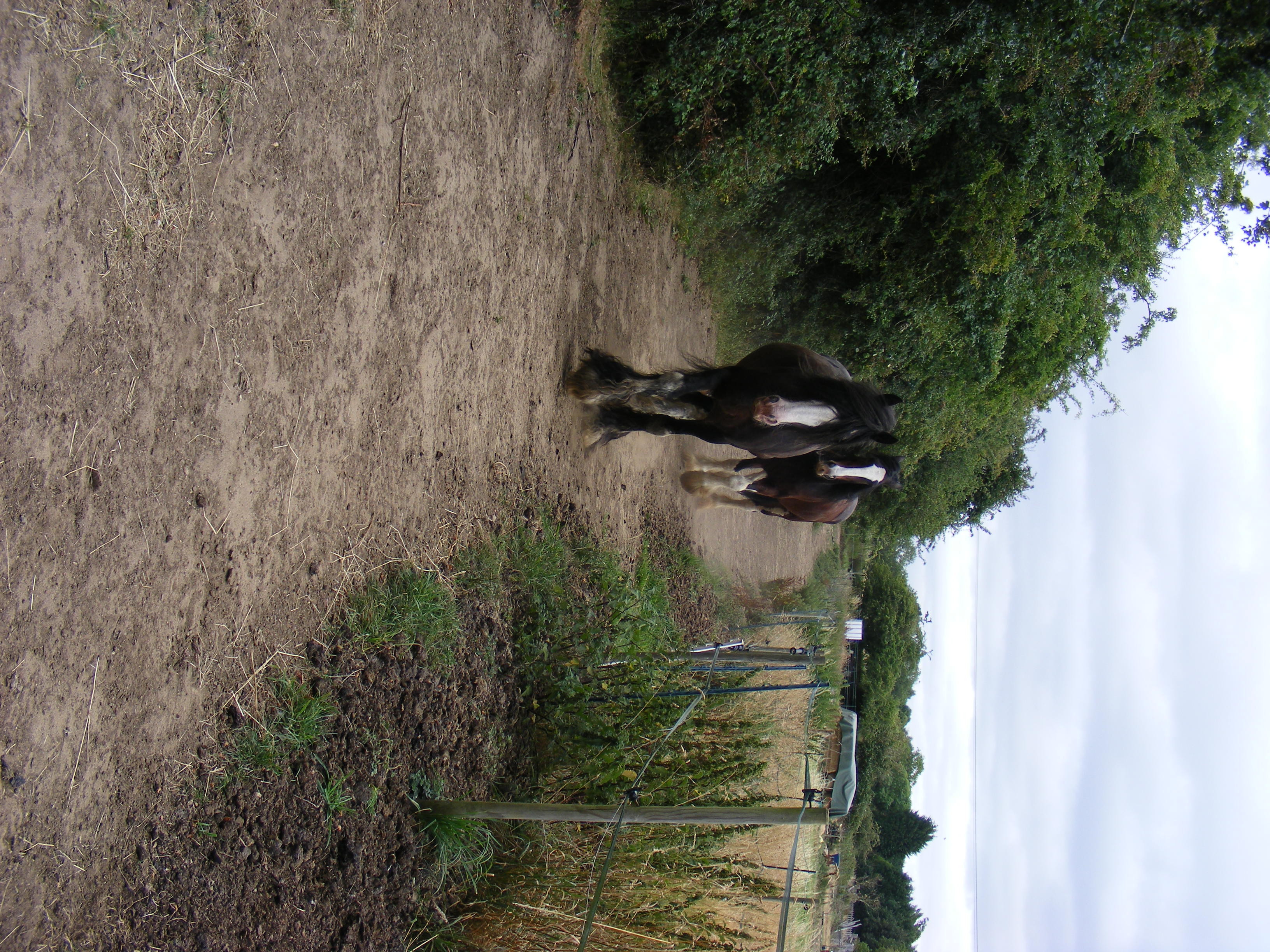
Apply NHC principles in practice and witness transformation in the body, mind and spirit. Join our NHC community and be a part of a paradigm shift.
Pages


Stay Connected


© 2026 Equiliberta Ltd. - All Rights Reserved.